The Allure of Ambiance
Casino design is deeply rooted in the psychological principles that govern human behavior. The ambiance of a casino is carefully crafted to evoke feelings of excitement and allure. Soft lighting, vibrant colors, and engaging sounds work synergistically to create an immersive experience. For instance, the use of bright, flashing lights draws the eye, stimulating a sense of urgency and anticipation, compelling patrons to explore further and engage with gaming options like payid online casinos australia , which enhance the gaming experience and keep players on the floor longer.
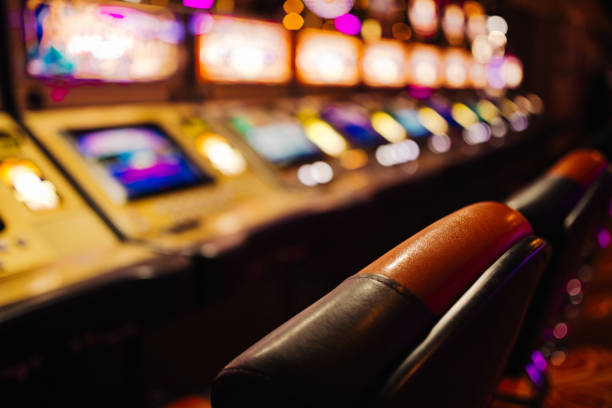
Moreover, the strategic arrangement of gaming machines and tables reinforces this immersive experience. When visitors enter a casino, they are often greeted by an open layout that encourages exploration. Designers often employ a maze-like structure, leading players deeper into the establishment, which taps into the psychological principle of loss aversion; once players invest time and money, they are more likely to continue gambling in hopes of recovering their losses. This design tactic effectively keeps players engaged and invested, prolonging their stay and increasing their spending.
The sounds within the casino play a crucial role as well. The sound of coins clinking or the celebratory music that plays after a big win enhances the overall sensory experience. These auditory cues are designed to create an atmosphere of joy and success, prompting more patrons to engage with the games. By stimulating multiple senses, casinos create an almost hypnotic atmosphere that encourages prolonged visits and sustained patronage. This carefully curated soundscape is integral to how casinos maintain excitement and energy, ensuring that the thrill of play remains constant throughout the gaming area.
Color Psychology and Its Impact
Color psychology is integral to casino design, influencing emotions and behaviors in ways that may not be immediately obvious. For example, warm hues like red and gold are frequently used because they evoke feelings of excitement and warmth, encouraging more engagement within the space. Red, in particular, is known to increase heart rates, which can heighten the thrill of gambling and encourage players to take risks. The strategic application of color can create a sense of urgency, pushing players toward making quick decisions, which is often beneficial for the casino’s bottom line.
Conversely, casinos may also utilize cooler colors like blue and green to create a contrasting environment that promotes calmness and relaxation. This can be effective in areas designated for rest, such as lounges or bars. The strategic use of color helps to shape the emotional journey of the visitor, guiding them through various experiences designed to keep them entertained and engaged. Color not only influences mood but also perceptions of time spent in a casino. By manipulating color schemes, designers can subtly influence how long players perceive they have been gambling, making time feel less relevant and encouraging longer sessions.
Additionally, the color schemes employed can enhance the casino’s overall branding and thematic elements. Each casino may choose a unique palette that not only reflects its identity but also creates a specific atmosphere. For instance, a luxury casino may opt for a refined color scheme that exudes sophistication, encouraging high-stakes betting, while a more casual establishment might favor bright and bold colors to attract a younger audience looking for fun and excitement. This alignment of color with brand identity helps to create a cohesive and memorable experience that resonates with visitors long after they leave.
The Role of Layout and Flow
The layout of a casino is intricately designed to maximize visitor engagement and retention. Designers often create a flow that guides guests through various areas, ensuring that they encounter gaming tables, slot machines, and amenities in an intentional sequence. This flow is not accidental; it is rooted in studies of how people navigate spaces, which shows that strategic placement of attractions encourages extended stays. This design philosophy is built on the understanding that people are more likely to engage with what they see first, making it essential to create a path that naturally leads them deeper into the casino.
Furthermore, the centralization of high-ticket games or popular slots can create a focal point that draws players in. Once in this area, they are likely to remain in close proximity, increasing the likelihood of continued play. The configuration of pathways and sightlines can also dictate movement; open sightlines towards popular games can encourage social interaction, creating a vibrant atmosphere that attracts even more players. This design strategy not only enhances gameplay but also fosters community among patrons, making the experience more enjoyable and encouraging return visits.
Moreover, the absence of clocks and windows is another design tactic that plays into the psychological manipulation of time perception. By removing these cues, casinos create a timeless environment where patrons may lose track of hours spent, thus encouraging longer play sessions. This design choice cleverly capitalizes on the human propensity to become absorbed in experiences, keeping the excitement alive without the distracting influence of time. Such a strategy is particularly effective in maintaining a lively atmosphere that feels perpetually engaging, ensuring that players remain within the casino longer than they might have originally intended.
The Influence of Social Interaction
Social dynamics play a significant role in the success of a casino, and designers leverage this by creating environments that foster interaction. Many casinos include bar areas and lounges where patrons can socialize while still being in proximity to gaming activities. This not only enhances the experience but also encourages guests to invite friends, creating a more lively and engaging atmosphere that can significantly boost overall foot traffic and spending. The presence of social spaces within the casino encourages a sense of community that is essential for a memorable gaming experience.
Table games, in particular, are designed to facilitate interaction among players. The communal experience of playing blackjack or poker fosters camaraderie and competition, which can be psychologically rewarding. This engagement can lead to longer game sessions as players enjoy the social aspect of gambling, feeding into their psychological need for connection and shared experience. The laughter, cheers, and conversations that fill the air create an electric atmosphere that amplifies the thrill of the games and keeps patrons coming back.
Furthermore, casinos often host events or tournaments that tap into the competitive spirit of players. These events attract larger crowds and foster a sense of community among participants. By creating a social scene around gaming, casinos effectively enhance their appeal, turning a solitary activity into a communal experience that keeps patrons coming back for more. This strategic focus on social interaction not only boosts revenue but also cultivates loyalty, as players enjoy not only the games but also the relationships they build during their visits.
Website Experience and Online Integration
As the landscape of gambling evolves, the integration of online platforms with physical casino experiences has gained prominence. Websites dedicated to casino information, promotions, and games play a crucial role in drawing patrons to physical locations. A well-designed website can serve as the first touchpoint for potential visitors, offering insights into what they can expect, thus shaping their anticipation and excitement. This initial online engagement is vital for converting interested visitors into actual patrons, as it sets the tone for their upcoming experience.
The user experience (UX) of these websites is critical in ensuring that visitors can easily navigate through available offerings, promotions, and events. A streamlined, visually appealing website mirrors the physical casino experience, helping to establish a connection even before the patrons arrive. Effective use of engaging visuals and clear calls to action can enhance visitors’ interest and encourage them to make the trip. Such intentional design reflects the same principles found within the casino itself, ensuring consistency in how the brand is perceived across different platforms.
Moreover, online platforms allow casinos to extend their reach beyond geographic limitations, enticing remote players with the same sophisticated ambiance and psychological allure seen in person. By providing a seamless experience between online gaming and physical visits, casinos can effectively engage with a broader audience, driving both online and brick-and-mortar traffic. This dual approach showcases a modern understanding of the gaming industry’s psychology, maximizing engagement across all platforms and ensuring that the allure of the casino experience can be accessed from anywhere.
